Types of Laundromat Service Offerings: 2026 Guide
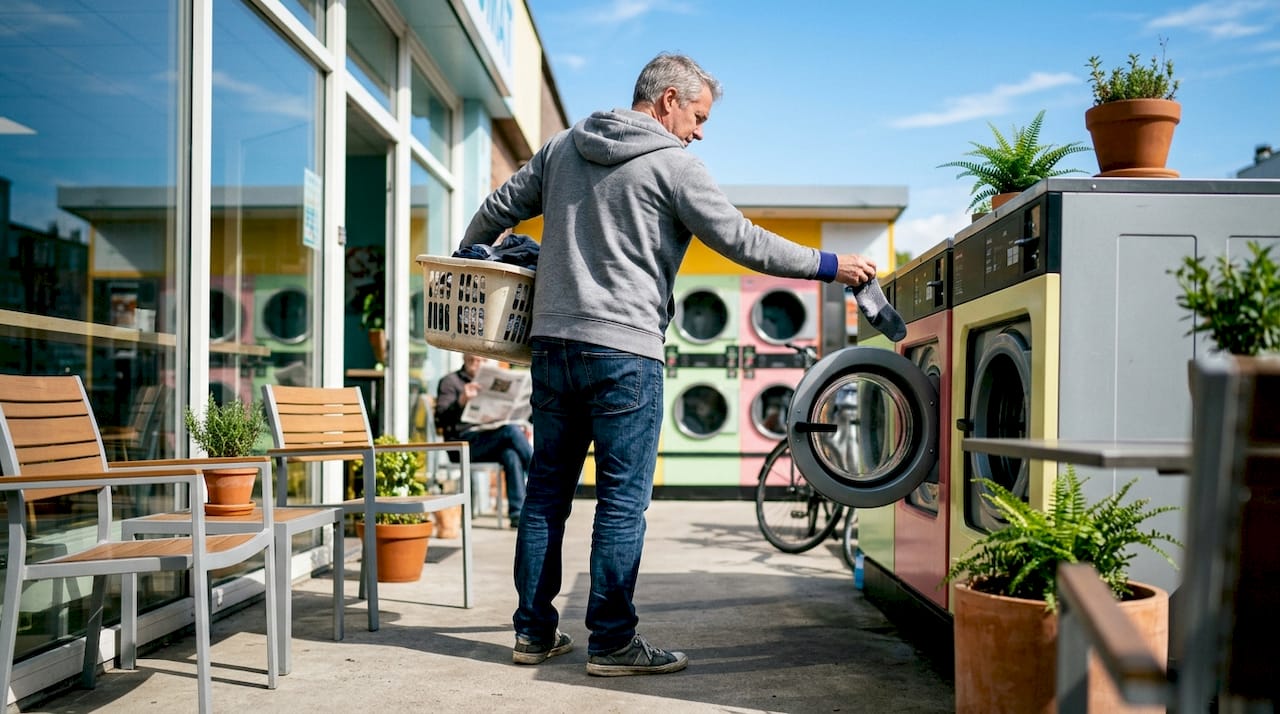
Types of laundromat service offerings refer to the distinct service models customers can choose from, including self-service, wash-and-fold, pickup and delivery, dry cleaning, and commercial laundry. The three primary models are self-service, wash-and-fold, and pickup and delivery, each built around a different level of customer involvement and convenience. Specialty options like dry cleaning and commercial laundry add further depth to what modern laundromats offer. Pricing, turnaround time, and garment type are the key factors that separate one service from another. Knowing which option fits your situation saves you time and money.
1. What are the main types of laundromat service offerings?
The laundry industry organizes customer-facing services into three core models: self-service, wash-and-fold, and pickup and delivery. Each model targets a different type of laundromat customer. Self-service suits budget-focused customers who want control over their wash. Wash-and-fold serves customers who want convenience without leaving home. Pickup and delivery is the fullest-service option, built for customers with no time to visit a store at all.
Beyond these three, laundromats increasingly offer dry cleaning and commercial laundry as separate service lines. Modern laundromats are retail service businesses, and their complexity grows with each service added. Understanding the differences between these options helps you pick the right one for your garments, schedule, and budget.
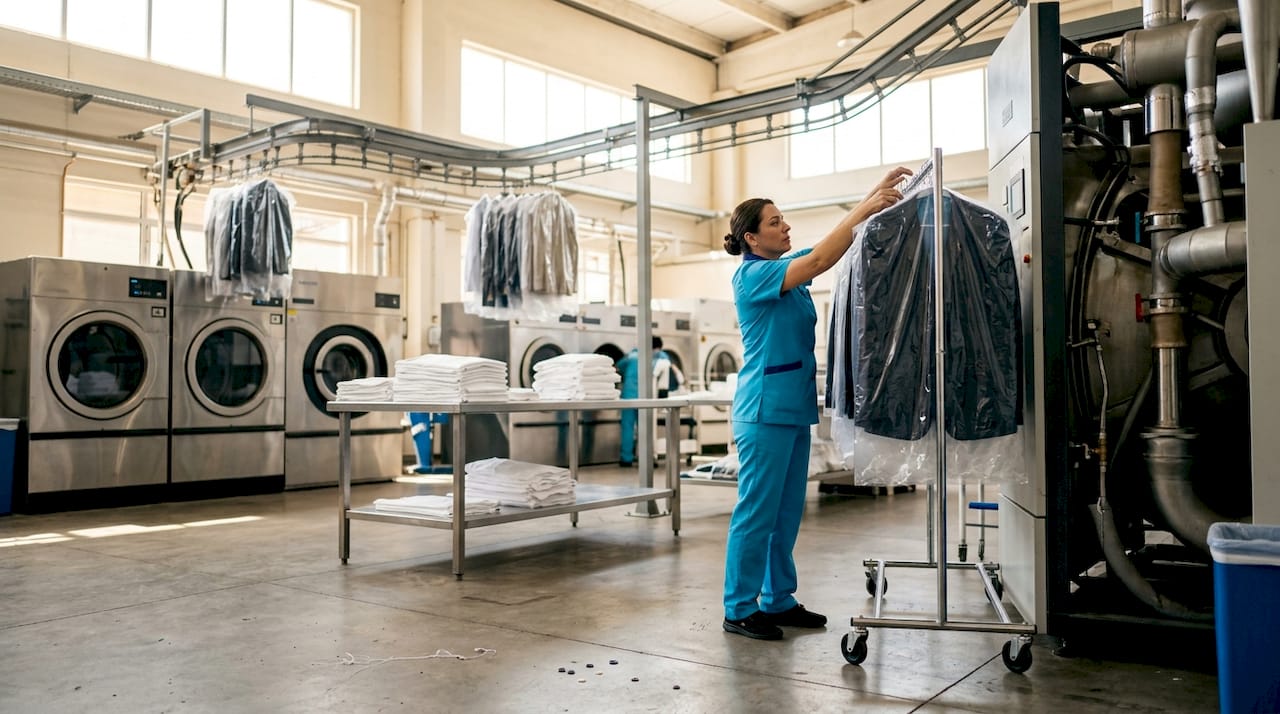
2. What is self-service laundromat and what features does it include?
Self-service is the original laundromat model. You bring your laundry, load the machines, add detergent, and handle the full wash and dry cycle yourself. The store provides the equipment; you provide the labor.
Most self-service laundromats offer a standard set of amenities:
- Card-operated or coin-operated machines in multiple load sizes
- Detergent vending machines for customers who forget supplies
- Folding tables and seating for waiting and sorting
- Air conditioning and free WiFi at better-equipped locations
- Attendants on duty during peak hours for machine issues
The cost advantage is real. You pay only for machine time, which makes self-service the most affordable laundry service option available. The tradeoff is your time. A typical wash-and-dry cycle runs 60–90 minutes, and you need to stay nearby.
Pro Tip: Before committing to a self-service location, check the machine age and cleanliness. Worn drum seals and dirty lint traps are signs of poor maintenance, and they can damage your clothes or leave them smelling musty.
Self-service works best for customers with flexible schedules, large loads of durable everyday fabrics, and a preference for controlling water temperature and cycle settings themselves.
3. What is wash-and-fold service and how does it work?
Wash-and-fold, also called drop-off laundry service, is the most widely adopted upgrade from self-service. About two-thirds of laundromats offer it, making it the dominant add-on service in the industry. You drop off a bag of laundry, staff wash, dry, and fold it, and you pick it up later.
Turnaround is typically same-day or next-day, with most stores completing orders within 24 hours. Pricing runs on a per-pound model, with national averages between $1.00 and $2.50 per pound. High-cost metro markets can reach $3.25 per pound. Some laundromats offer subscription pricing that cuts the per-pound rate by 10–20%.
Here is what the typical wash-and-fold process looks like:
- Drop-off: You bring a bag of laundry to the counter and staff weigh it
- Sorting: Staff sort by color and fabric type before washing
- Washing and drying: Machines run on standard cycles appropriate for everyday fabrics
- Folding: Staff fold and package your laundry neatly for pickup
- Pickup: You collect your order, usually within 24 hours
Wash-and-fold is designed for everyday clothing: t-shirts, jeans, underwear, towels, and bed linens. It is not the right choice for delicate garments labeled “dry clean only.” Mixing dry-clean-only items into a wash-and-fold order risks fabric damage and shrinkage.
Pro Tip: Drop off your laundry early in the morning on weekdays. Laundromats process drop-off orders most efficiently during off-peak hours, and morning drop-offs are far more likely to be ready same-day than afternoon arrivals.
4. How does pickup and delivery service differ from other laundromat offerings?
Pickup and delivery is the highest-convenience laundry service option. You schedule a pickup through an app or website, leave your bag at your door, and a driver collects it. Staff wash, dry, and fold your laundry at the store, then a driver returns it to your address.
The pricing model adds layers compared to wash-and-fold. You pay a per-pound fee plus a delivery charge, and faster turnaround options cost more. Standard service runs 24–48 hours. Same-day pickup and delivery is available at select locations but carries a premium surcharge.
Key features of pickup and delivery service include:
- App or website scheduling with time window selection
- Doorstep pickup and return with no store visit required
- Per-pound pricing plus delivery fees billed at checkout or through the app
- Order tracking at better-equipped services
- Contactless options for customers who prefer no direct interaction
Turnaround time for pickup and delivery starts from the moment your laundry is collected, not from when you schedule the pickup. Confirm cutoff times with your provider before booking if you need your laundry back by a specific date.
Running pickup and delivery at scale requires significant logistics infrastructure, including scheduling systems, vehicles, and defined service windows. That complexity is why not every laundromat offers it, and why pricing is higher than drop-off service.
Pro Tip: Always confirm the cutoff time for same-day service before scheduling. Turnaround timing starts at pickup, not at booking, so a 2 p.m. cutoff means your bag must be collected by 2 p.m. for same-day return.
5. What other services do laundromats offer, including dry cleaning and commercial laundry?
Beyond the three core models, two specialty service categories are growing fast: dry cleaning and commercial laundry.
Dry cleaning uses chemical solvents instead of water to clean garments. It is the required method for fabrics labeled “dry clean only,” including wool suits, silk blouses, and structured blazers. Dry cleaning requires strict separation from wash-and-fold workflows because solvents and special handling procedures cannot be mixed with standard laundry processing. Laundromats that offer dry cleaning either run a dedicated in-house operation or partner with a specialist cleaner for drop-off and pickup.
Commercial laundry serves business customers rather than individual consumers. Hospitality businesses, healthcare facilities, gyms, and restaurants are the primary clients. Commercial laundry services operate on contracts with scheduled pickups, volume commitments, and dedicated processing capacity. This is a separate service line from retail walk-in laundry, and it requires different pricing structures and operational planning.
| Service Type | Best For | Pricing Model | Turnaround |
|---|---|---|---|
| Self-service | Budget-focused customers | Per machine cycle | 1–2 hours |
| Wash-and-fold | Everyday clothing, busy schedules | Per pound ($1.00–$3.25) | Same day or next day |
| Pickup and delivery | Maximum convenience | Per pound plus delivery fee | 24–48 hours |
| Dry cleaning | Delicate or dry-clean-only garments | Per item | 2–5 days typically |
| Commercial laundry | Businesses with volume needs | Contract or volume rate | Scheduled |
Each service type requires different equipment, staff skills, and workflows. A laundromat that offers all five is a full-service operation, not just a coin laundry.
6. How to choose the right laundromat service based on your needs
The right laundry service option depends on three factors: your budget, your available time, and the type of garments you need cleaned.
Use this guide to match your situation to the right service:
- Choose self-service if you want the lowest cost, have 60–90 minutes free, and are washing durable everyday items like jeans, towels, and t-shirts
- Choose wash-and-fold if you want to skip the wait, have a regular volume of everyday clothing, and are comfortable with per-pound pricing
- Choose pickup and delivery if you cannot visit a store, need maximum convenience, and are willing to pay a delivery premium
- Choose dry cleaning for any garment with a “dry clean only” care label, structured garments like suits, or delicate fabrics like silk and cashmere
- Choose commercial laundry if you run a business with ongoing linen or uniform needs and want a contracted service relationship
Scheduling matters more than most customers realize. Processing drop-off orders during off-peak hours is standard practice at well-run laundromats, which means morning drop-offs get priority attention. Arriving during peak self-service hours on weekends can delay your order.
Pro Tip: Ask the laundromat directly about their busiest hours before your first drop-off. A quick question at the counter saves you from a delayed pickup later.
Pricing transparency is another factor worth checking. A good laundromat posts its per-pound rates, minimum order weights, and delivery fees clearly. If pricing is not listed, ask before handing over your bag.
Key takeaways
The most effective way to choose a laundromat service is to match the service model to your garment type, time availability, and budget before you drop off a single bag.
| Point | Details |
|---|---|
| Three core models exist | Self-service, wash-and-fold, and pickup and delivery cover most customer needs. |
| Wash-and-fold is widespread | About two-thirds of laundromats offer it, priced at $1.00–$3.25 per pound nationally. |
| Dry cleaning is a separate workflow | Never mix dry-clean-only garments into a standard wash-and-fold order. |
| Timing starts at pickup | For delivery services, turnaround time begins when your laundry is collected, not when you book. |
| Off-peak drop-offs get faster results | Morning weekday drop-offs are processed more efficiently than peak-hour arrivals. |
Why most customers pick the wrong laundromat service
The most common mistake I see is customers treating wash-and-fold and dry cleaning as interchangeable. They are not. Wash-and-fold is water-based, machine-driven, and built for volume. Dry cleaning is solvent-based, item-specific, and built for precision. Sending a wool blazer through a wash-and-fold order is how you end up with a shrunken, misshapen jacket and a dispute at the counter.
The second mistake is underestimating pickup and delivery logistics. Customers assume “scheduled pickup” means the clock starts when they book. It does not. The clock starts when the driver collects the bag. If you book a same-day service at 1 p.m. but the driver arrives at 3 p.m., your laundry is not coming back that day. Confirm cutoff times every single time.
What I find genuinely interesting about the laundry industry right now is how fast it is shifting from a utility to a service business. The laundromats adding wash-and-fold, delivery, and commercial contracts are not just adding revenue. They are building customer relationships that self-service machines never could. That shift requires better systems, clearer pricing, and staff who understand the difference between a drop-off order and a dry-clean ticket.
Customers benefit most when they understand these distinctions before walking in. Ask questions. Read the posted rates. Check the care labels on your garments before you decide which service to use.
— Artur
How Kansoflow helps laundromats manage every service type
Running multiple service types from one counter is where most laundromats lose control. Orders get mixed, garments get misplaced, and pricing becomes inconsistent.

Kansoflow is a native iOS POS and management platform built specifically for laundromat operators. Its visual Kanban board tracks every order through Wash, Fold, Dry Cleaning, and Ready stages in real time. Photo intake at the counter eliminates lost-garment disputes before they start. For operators running pickup and delivery alongside drop-off and self-service, Kansoflow handles inter-branch transfers, delivery scheduling, and per-pound pricing in one place. If you want to see how it works across your full service lineup, the platform is available now on the App Store. Visit Kansoflow to get started.
FAQ
What are the main types of laundry services at a laundromat?
The three primary types are self-service, wash-and-fold, and pickup and delivery. Many laundromats also offer dry cleaning and commercial laundry as specialty services.
How much does wash-and-fold service cost per pound?
Wash-and-fold pricing averages $1.00 to $2.50 per pound nationally, with high-cost metro markets reaching up to $3.25 per pound. Subscription plans can reduce the per-pound rate by 10–20%.
Is dry cleaning the same as wash-and-fold?
No. Dry cleaning uses chemical solvents and is required for delicate or dry-clean-only garments. Wash-and-fold uses water and standard machines, and is suited for everyday fabrics only.
How long does laundry pickup and delivery take?
Standard pickup and delivery turnaround is 24–48 hours from the time of collection. Same-day options exist at some locations but cost more, and timing starts at pickup, not at booking.
What is commercial laundry service?
Commercial laundry serves businesses like hotels, gyms, and healthcare facilities with contracted, high-volume washing and scheduled pickup and delivery, separate from retail customer services.