Types of Laundromat Payment Processing: 2026 Owner’s Guide
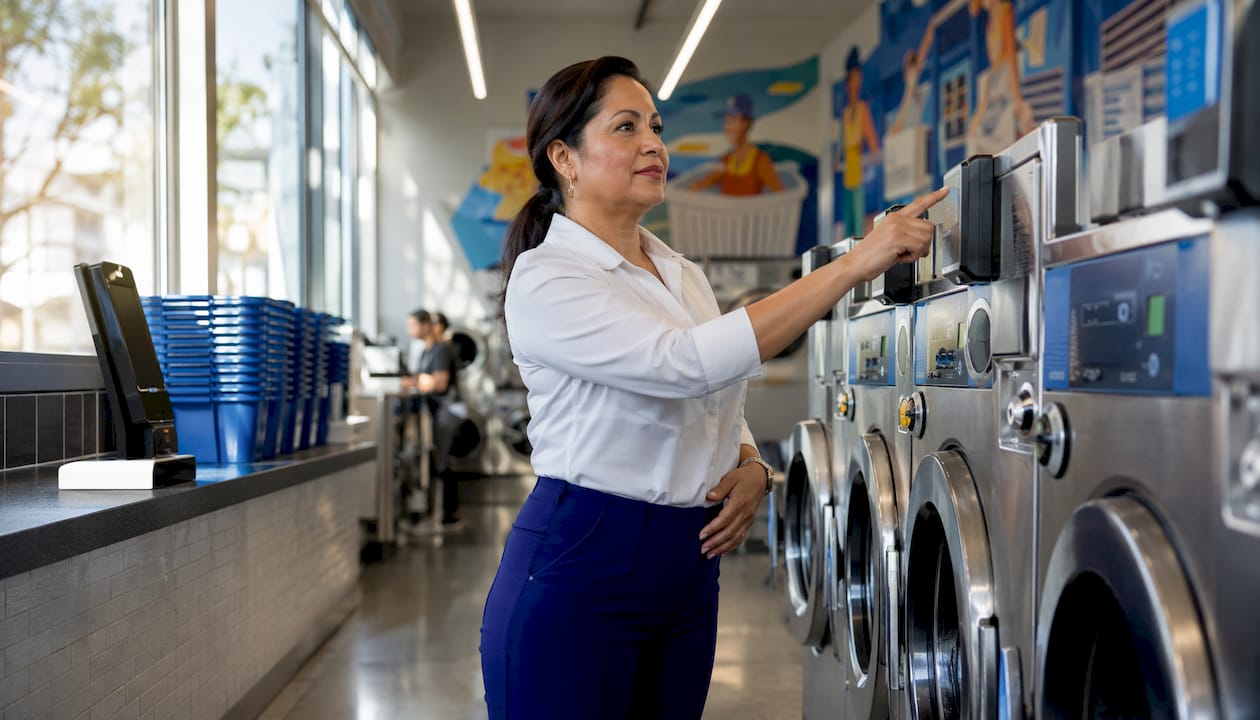
What are the main types of laundromat payment processing?
The four primary types of laundromat payment processing are coin-based systems, card-based systems, mobile app payments, and hybrid models that combine two or more of these options. Each serves a different customer profile and operational need, and the right choice depends heavily on your location, customer base, and long-term business goals.
Here is a quick breakdown of the main categories:
- Coin-based systems: The traditional standard, requiring quarters or tokens. No internet dependency, zero transaction fees, but labor-intensive to manage.
- Card-based systems: Accept credit and debit cards, prepaid laundry cards, or RFID tap cards. Card-based systems are becoming increasingly common in laundromats, with many locations accepting some form of card payment.
- Mobile app payments: Customers pay via smartphone using QR codes or Bluetooth, often with features like machine availability checks and cycle-complete notifications.
- Hybrid systems: Machines accept both coins and at least one cashless option. Many laundromat owners report offering more than one payment type, reflecting a trend toward hybrid systems.
The industry is shifting fast. New builds and major renovations increasingly favor cashless-first or hybrid configurations, while purely coin-operated stores are becoming rare in modern construction.
How each payment system type actually works
Understanding the mechanics of each system helps you evaluate what fits your store, not just what sounds appealing in a brochure.
Coin-operated systems
Coin-operated laundromats have been the industry standard for decades. Customers insert quarters or tokens, the machine runs, done. No software, no network, no transaction fees. The appeal is simplicity and reliability, especially in rural areas or markets with older demographics who prefer cash. The downside is real: coin boxes need daily emptying, counting, and transport to a bank. That labor cost adds up fast, and the security risk of carrying large amounts of cash is not trivial.
Card-based systems
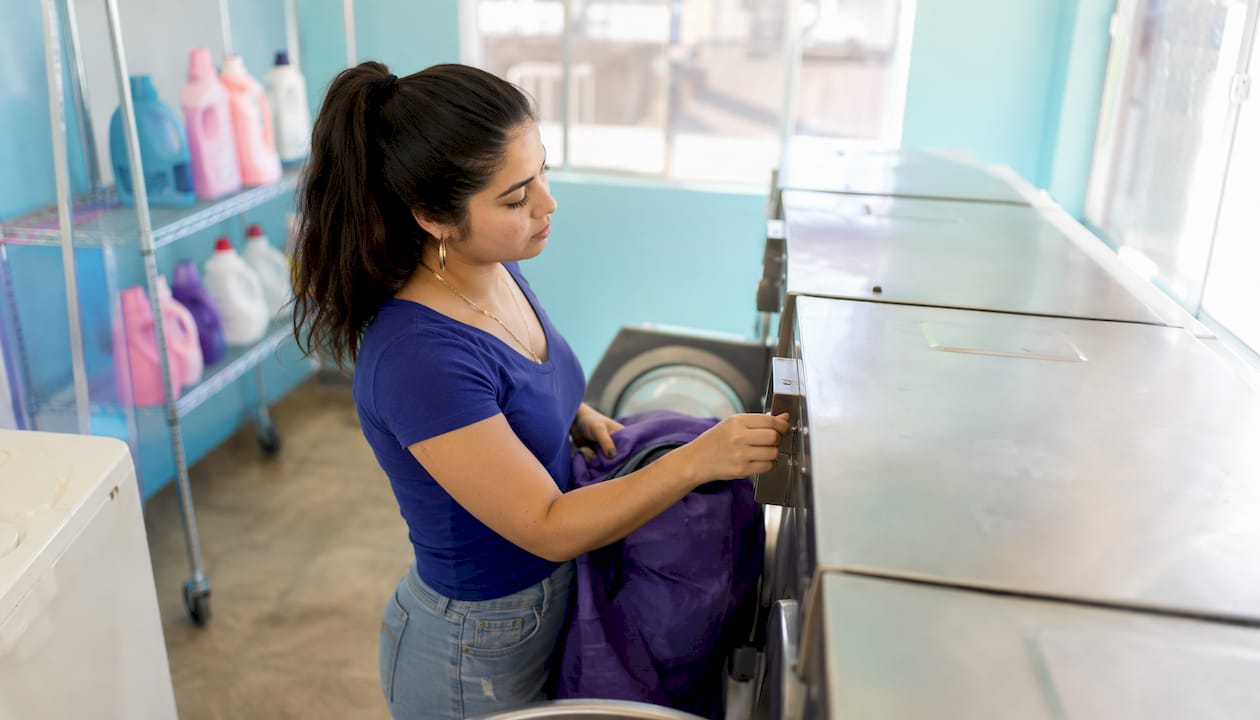
Card systems come in several forms. Magnetic stripe readers were the original cashless solution, using swipeable laundry cards loaded with value at a kiosk. That technology is being phased out. The current standard is contactless RFID, where customers tap a card on the reader to pay. It is faster, more durable, and eliminates the worn-stripe read errors that frustrated customers with older swipe systems.
Prepaid laundry cards (sometimes called closed-loop cards) are a distinct category. Customers load money onto a store-specific card at a central kiosk. Systems like LaundryCard from CCI operate this way, making them well-suited for new coinless builds. The trade-off is kiosk dependency: if that machine goes down, customers cannot add value.
FasCard, also from CCI, takes a different approach. It supports hybrid coin and cashless use, making it popular for retrofits where owners want to add card acceptance without replacing existing coin mechanisms. Operators get flexible processor choice and promotional pricing features.
Mobile app payment systems
Mobile payments let customers handle everything from their phone. They download an app, link a payment method, then scan a QR code or connect via Bluetooth to start a machine. Speed Queen’s Scan-Pay-Wash system is a well-known example of this model, integrating app-based payment directly with Speed Queen equipment and offering CRM and loyalty features built into the same platform.
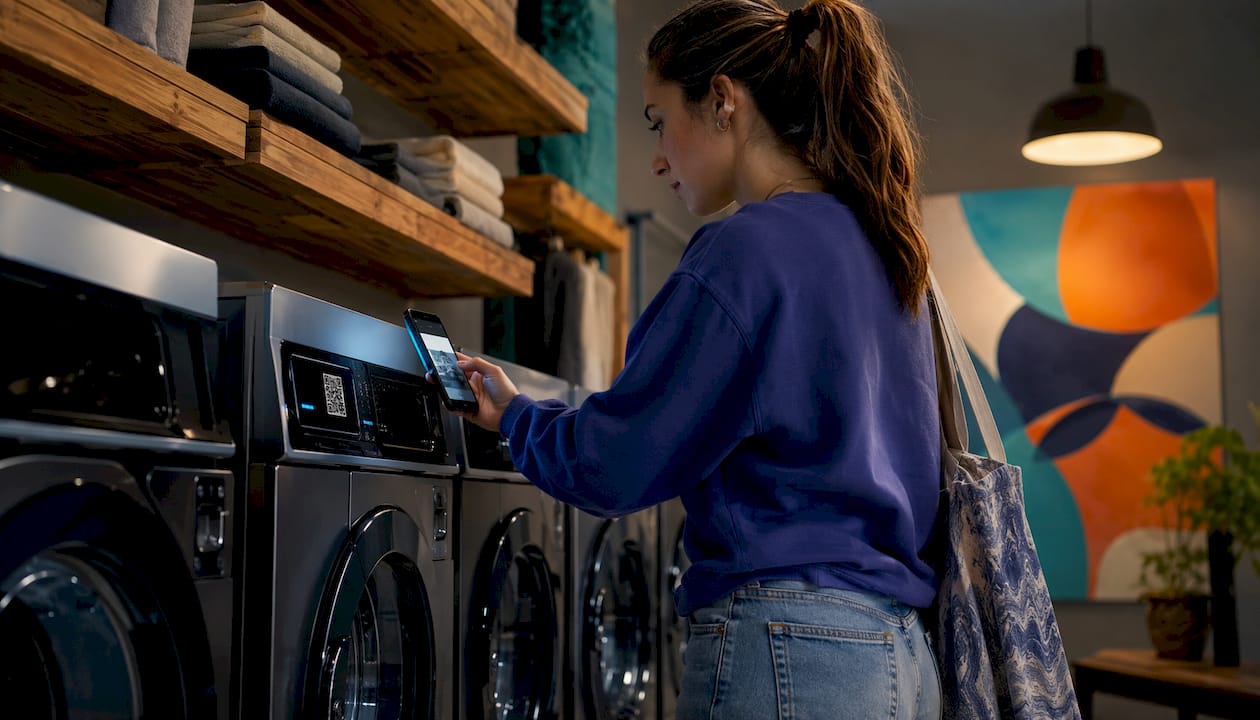
Nayax takes a broader approach, offering readers that accept contactless cards, mobile wallets like Apple Pay and Google Pay, and app-based payments from a single device. That flexibility makes Nayax a common choice for operators who want to cover multiple payment methods without installing separate hardware for each.
The practical advantage of app-based systems goes beyond payment. Customers can check machine availability before leaving home and receive a notification when their cycle finishes. That kind of convenience drives repeat visits in a way a coin slot never could.
Hybrid systems
A hybrid setup equips machines to accept both coins and at least one cashless option. Hybrid systems serve tourists, unbanked customers, and longtime regulars who still carry quarters, while simultaneously attracting younger customers who expect tap-to-pay. Industry suppliers report that hybrid remains the most common installation type, partly because it gives operators psychological comfort during the transition away from coins.
Pro Tip: If you are not ready to go fully coinless, a hybrid system is the lowest-risk entry point. You keep your existing coin customers while capturing the growing share of customers who will not carry quarters.
Key features and benefits of modern payment systems
The shift from coins to cashless is not just about convenience. It changes how you run the business.
Operational benefits
- Reduced labor: Coin collection, counting, and transport disappear or shrink significantly. That time goes back to customer service or maintenance.
- Improved security: Less physical cash on-site means lower theft risk for both staff and the business.
- Remote management: Modern systems let you monitor machine performance, receive alerts, and issue refunds from a dashboard without being on-site.
- Flexible pricing: Cashless systems break free from the 25-cent increment constraint. You can set prices to the penny and run time-of-day discounts or promotional bundles.
Revenue impact
Some laundromats have seen revenue jump between 17% and 22% after introducing card payments. The driver is not just convenience. Customers who do not have exact change leave. Customers who can tap a card stay and spend.
Loyalty programs and customer retention
Prepaid loyalty card systems, like those used with LaundryCard, incentivize repeat visits through reload bonuses. A common structure: load $20, get $22 in value. That small bonus is enough to make a regular customer choose your store over a competitor. Mobile app systems take this further, enabling push notifications, promotional offers, and usage tracking that coin systems cannot touch.
Integration with management software
Digital payment data feeds directly into reporting dashboards, giving you real-time transaction records, machine utilization rates, and revenue trends. That data is genuinely useful for operational optimization — knowing which machines run hardest at what times lets you schedule maintenance proactively and price peak hours accordingly. Coin-based systems offer none of this visibility.
Stat callout: 52.3% of stores that offer digital or card-based payment report that cashless transactions have increased significantly over the past three years.
How to choose the right payment system for your laundromat
No single system is right for every store. The decision comes down to a handful of concrete factors.
Customer demographics
Who actually walks through your door? A laundromat near a college campus serves a crowd that expects Apple Pay and Google Pay. A store in a rural area with an older customer base may still see the majority of revenue from coins. Locations serving tourists, truckers, or unbanked customers benefit most from hybrid models that do not require a smartphone or a bank account to use.
Cost structure
Upfront hardware costs for cashless systems typically range from $550 to $2,100 per machine for hardware and installation. Beyond that, payment processors charge a fee on every digital transaction. Factor both into your ROI calculation before committing.
Network reliability
Cashless systems require a stable internet connection to authorize transactions and sync data. A network outage can take machines offline entirely. Operators who go cashless should invest in redundant connectivity, such as a backup cellular router, to keep revenue flowing when the primary connection drops.
PCI compliance and security
Any system processing credit or debit card data must comply with PCI DSS (Payment Card Industry Data Security Standard). Reputable payment system vendors build PCI compliance into their hardware and software, but you should confirm this before signing a contract. For POS terminal security practices, understanding how data is encrypted and stored at the device level matters as much as the compliance checkbox.
Installation and compatibility
Not every machine accepts every payment system. Look for equipment described as “payment ready” or confirm that your existing machines can accept a retrofit reader. Many retrofit kits install in 15–30 minutes per machine, which keeps downtime minimal during the upgrade.
Pro Tip: Treat your payment system selection as a business infrastructure decision, not a hardware purchase. The vendor relationship, software update cadence, and customer support quality will affect your store for years.
Emerging trends and expert insights in laundromat payment processing
The data on where the industry is heading is clear, even if the pace varies by market.
The shift away from coins
A 2022–2023 survey found that about 75.4% of laundromats still accept coin payments, but the same survey showed that nearly 49.2% now accept credit and debit cards and 26.2% offer mobile app payments. Among stores that have already made the switch, 52.3% report cashless transactions have increased significantly over the past three years. Coin-only stores are becoming rare in new builds, with suppliers reporting that most new projects favor digital payments while keeping coin as an optional backup.
What operators are actually choosing
Industry suppliers report that most new orders favor coinless setups with cash acceptance at central kiosks, while others opt for full hybrid configurations at the machines. For existing stores undergoing renovation, hybrid remains the dominant choice because it protects the existing customer base during the transition.
Key findings from operators and suppliers:
- Cashless-first configurations are becoming a leading strategic choice for new builds.
- Hybrid installations remain the most common for existing stores in transition.
- Mobile payment options, including Apple Pay and Google Pay, are described as non-negotiable for customers under 35.
- Bilingual signage and staffed assistance during the transition period meaningfully improve customer adoption of new systems.
Payment data as a business tool
The operational intelligence that comes with cashless systems is an underappreciated advantage. Real-time transaction data lets you identify your busiest machines, your slowest hours, and your most loyal customers. That visibility supports smarter pricing, better maintenance scheduling, and more targeted promotions. For operators managing multiple payment processor options, comparing how each platform surfaces and exports that data should be part of the evaluation process.
Challenges to plan for
Network dependency is the most cited operational risk. A cashless store with no backup connectivity loses revenue every minute the connection is down. Customer friction is real too: some customers resist downloading an app or learning a new payment flow, particularly in markets with older demographics. Transition support, clear in-store signage, and a patient rollout timeline reduce that friction considerably.
Key Takeaways
Cashless and hybrid payment systems are now the standard for new laundromat builds, with hybrid models offering the lowest-risk path for operators modernizing existing stores.
| Point | Details |
|---|---|
| Four system types | Coin, card, mobile app, and hybrid are the main categories; most new builds favor cashless or hybrid. |
| Revenue impact | Some laundromats report revenue increases of 17%–22% after introducing card payments. |
| Network reliability | Cashless systems need redundant internet; a backup cellular router prevents revenue loss during outages. |
| Cost range | Hardware and installation costs for cashless upgrades can vary depending on the system and setup. |
| Kansoflow’s role | Kansoflow pairs with Stripe and Square integrations to connect payment data directly to real-time operational reporting on iOS. |
Kansoflow brings your payment data to life on the shop floor
Running a modern laundromat means more than picking the right card reader. The payment system collects the data; what you do with it determines your margins. Kansoflow is the iOS-native POS and operations platform built specifically for laundromat owners who want that data working for them in real time, not buried in a vendor dashboard they check once a week.
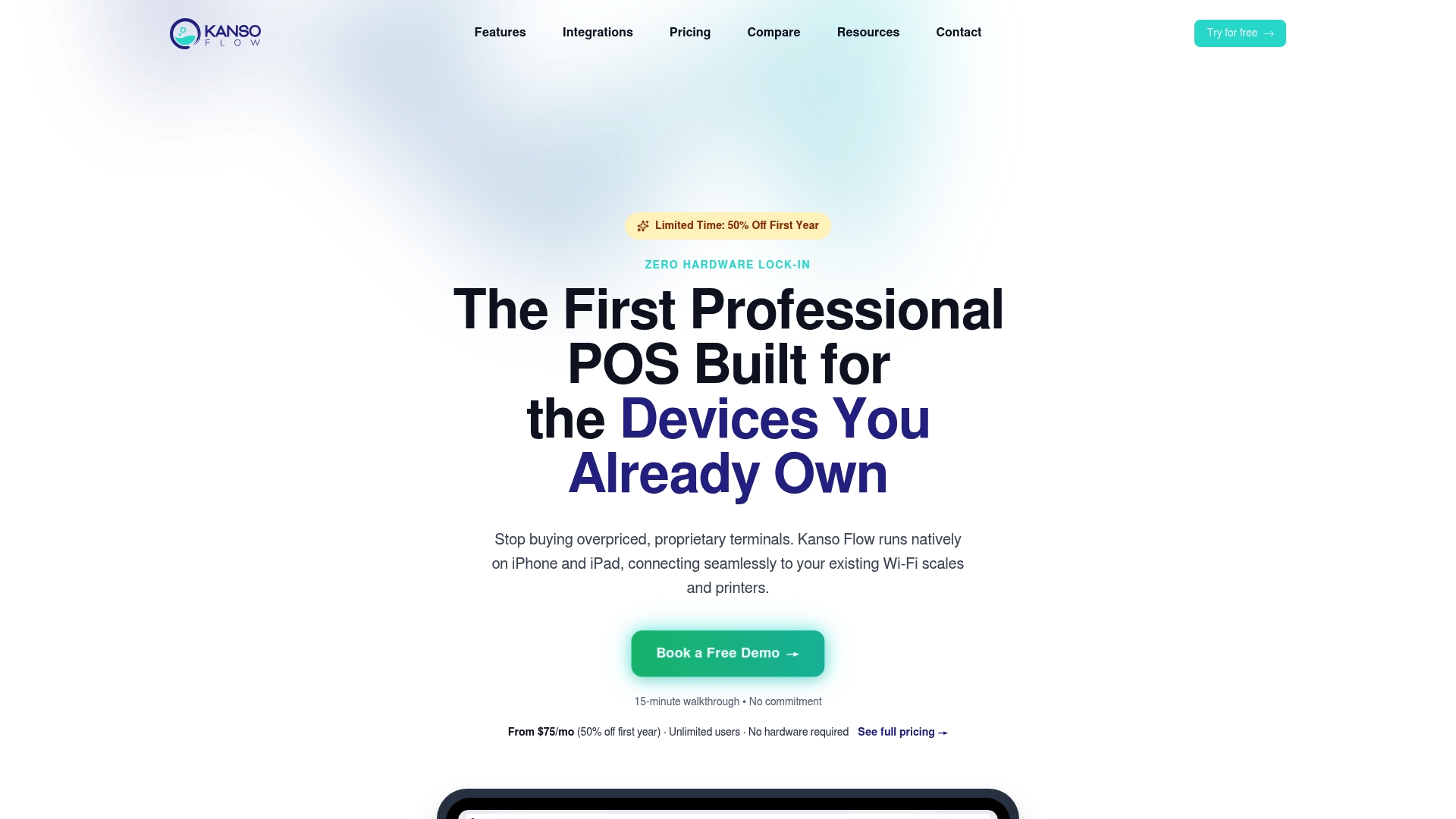
Where legacy browser-based systems slow your counter down, Kansoflow runs at the speed of a busy shop floor. It integrates natively with Stripe and Square, so your cashless payment transactions feed directly into order tracking, revenue reports, and machine utilization data without manual reconciliation. The visual Kanban board keeps your attendants moving orders through Wash, Fold, Dry Cleaning, and Ready stages without paper tickets or guesswork. Photo intake at the counter eliminates lost-garment disputes before they start.
For multi-location operators, inter-branch transfers and third-party outsourcing management are built in, not bolted on. And because it runs on standard iOS devices, you are not locked into expensive proprietary hardware bundles. Explore the full feature set at Kansoflow and see how it fits the payment infrastructure you are building.