Laundromat Workflow Automation: 2026 Owner’s Guide
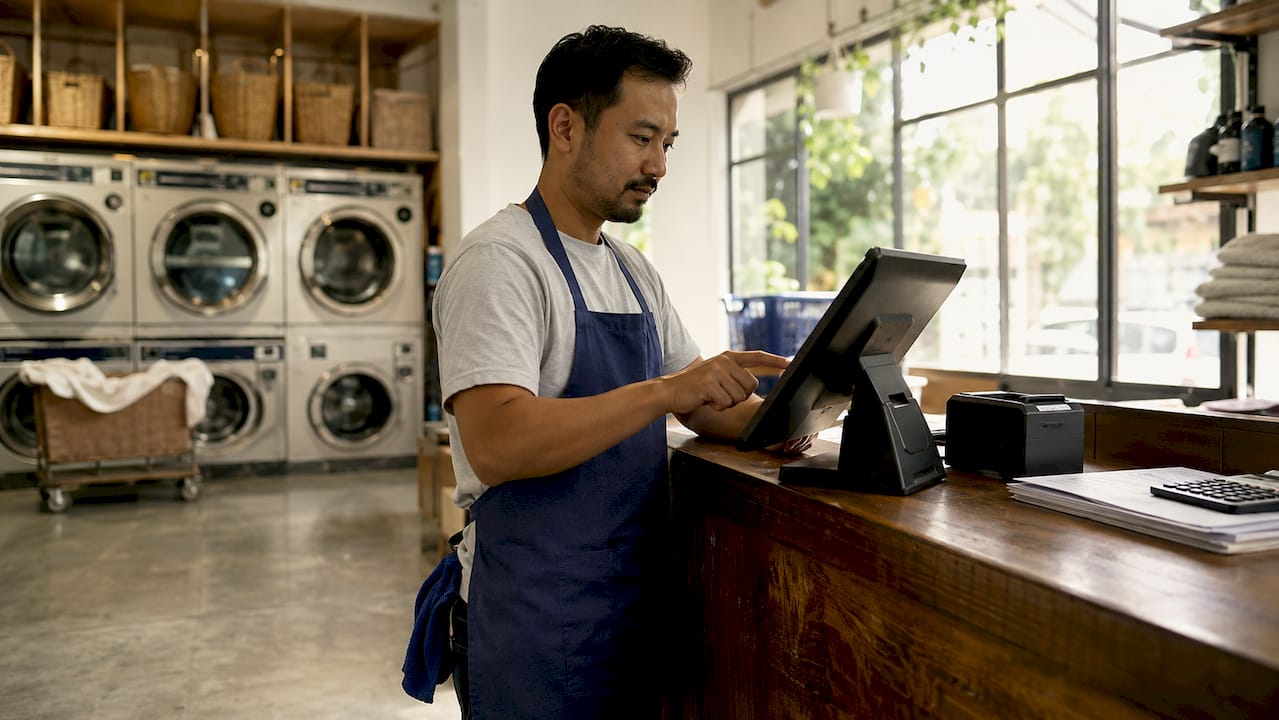
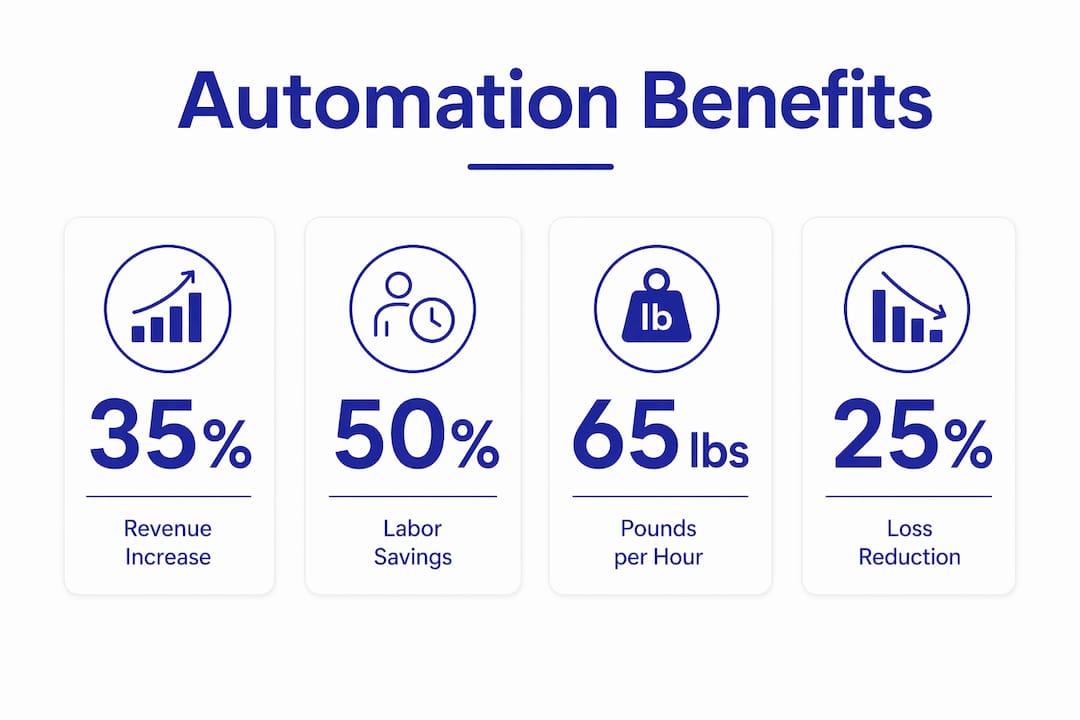
Laundromat workflow automation is the integration of software systems and process engineering to automate, track, and optimize every stage of laundry operations, from order intake to customer pickup. The industry term for this discipline is laundry operations management, and it covers both digital tools like cloud-based POS platforms and physical systems like numbered staging racks. Done right, comprehensive workflow automation can increase revenue by 25–35% and cut labor costs per pound by up to 50%. That is not a marginal improvement. That is a business transformation.
What is laundromat workflow automation, really?
Laundromat workflow automation is the practice of replacing manual, paper-based processes with connected software and defined procedures that move orders through your shop without friction or guesswork. The laundromat order lifecycle covers five core stages: intake, washing and drying, folding, staging, and delivery or pickup. Automating that lifecycle means every stage has a defined trigger, a responsible party, and a digital record.
The technology stack behind this includes three layers. First, a point-of-sale system captures the order and assigns it a digital ticket. Second, IoT sensors and machine monitoring tools track equipment status in real time. Third, cloud-based reporting gives you a live view of throughput, labor hours, and order status from any device.
Key components of a fully automated laundromat workflow include:
- Order intake: Digital ticket creation with customer preferences, garment photos, and weight logged at the counter
- Wash and dry tracking: IoT sensors monitor machine cycles and flag errors before they become failures
- Folding and quality control: Staff follow documented SOPs tied to each order ticket
- Order staging: Physical numbered racks or bins paired with digital status updates
- Customer communication: Automated SMS or app notifications triggered by order status changes
Pro Tip: Photo intake at the counter is one of the highest-ROI steps you can add. It eliminates lost-garment disputes before they start and builds customer trust from the first visit.
The laundromat processing hub workflow setup matters most for multi-location operators. A processing hub is a central facility where orders from multiple drop-off locations are washed, dried, and folded before being returned. Automating the transfer and tracking of orders between locations requires a POS platform with inter-branch order management built in, not bolted on.
How does automation increase efficiency and reduce losses?
The productivity numbers are concrete. Automated laundromats report staff processing 50–65 pounds per labor hour, compared to far lower rates in manual operations. That gap represents real dollars. If your attendants are spending time hunting for orders, re-entering data, or fielding customer calls about pickup times, they are not folding laundry.
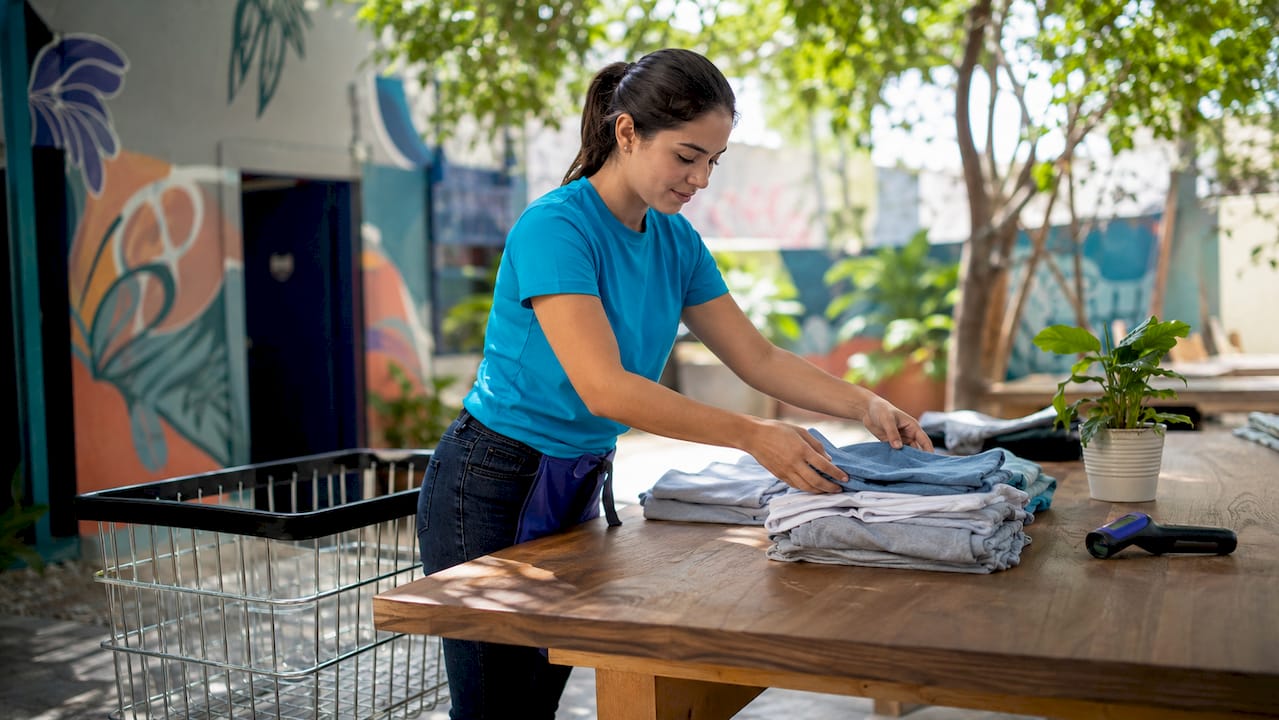
Loss reduction is equally significant. AI-driven IoT systems reduce theft and equipment breakdown costs by approximately 60% through predictive maintenance that detects machine failures up to seven days in advance. That lead time is enough to schedule a technician before a washer goes down on a Saturday morning.
Here is how automation cuts losses across four specific areas:
- Equipment downtime: Predictive maintenance generates automated work orders and routes technicians before failures occur, minimizing disruption to your busiest hours.
- Order errors: Digital order lifecycle tracking eliminates the paper ticket problem. Every order has a status, a location, and a timestamp.
- Theft and shrinkage: Real-time dashboards flag anomalies in cash flow and inventory, replacing gut-feel management with data.
- Customer disputes: Physical order staging with numbered racks and digital photo records dramatically reduces insurance claims and lost-garment complaints.
The shift from reactive to predictive management is the core value of automation. Blind operations are the primary pain point for most owners. You cannot fix what you cannot see. A real-time dashboard replaces that blind spot with a live operational picture, turning emergency firefighting into scheduled maintenance and proactive customer service.
Automation also changes what your staff does. Attendants shift from manual tasks like cash handling and record keeping to higher-value roles like quality control and customer relationships. That shift improves both service quality and staff retention.
Unattended vs. attended automation: which model fits your shop?
The automation approach that works for your laundromat depends directly on your revenue model. These two models have fundamentally different ceilings.
| Factor | Unattended Model | Attended Model |
|---|---|---|
| Revenue ceiling | Limited to self-service machine revenue | Unlocks wash-dry-fold and pickup/delivery |
| Automation focus | Payment kiosks, remote monitoring, mobile apps | POS workflow, order staging, staff SOPs |
| Labor requirement | Minimal on-site staff | Trained attendants required |
| Margin potential | Lower per-transaction margin | Higher margin through service channels |
| Best for | High-volume, low-touch locations | Growth-focused, service-oriented shops |
Fully unattended models cap your revenue at what customers can do themselves. The attended model, supported by strong workflow automation, is the path to wash-dry-fold and pickup-and-delivery growth. Those service channels carry significantly higher margins than coin-op self-service.
Pro Tip: You do not have to choose one model permanently. Many successful operators run a hybrid: automated self-service during off-peak hours with attended service during peak times. The key is that your POS and workflow software must support both without requiring two separate systems.
Multi-location operators face a third consideration: the laundromat processing hub workflow setup. When orders move between a drop-off location and a central processing facility, your automation must track custody at every transfer point. Without that, garments get lost and disputes follow.
How to implement workflow automation for best results
Implementation starts with documentation, not software. Documenting your workflows and building standard operating procedures (SOPs) is the foundation that lets you identify waste before you automate it. Automating a broken process just makes the broken process faster.
Follow this sequence to build a working automation system:
- Map your current workflow: Walk every order through your shop on paper. Note every handoff, every wait, every manual step.
- Identify the eight wastes: Unnecessary motion, waiting, overprocessing, and defects are the most common in laundromats. Each one is a target for automation.
- Set your KPIs first: Pounds per labor hour and stuck-ticket thresholds are the two metrics that matter most. Stuck-ticket thresholds trigger automated alerts when an order sits in one stage too long, preventing customer complaints before they happen.
- Choose your POS platform: Your software must handle order lifecycle tracking, customer notifications, and reporting in one place. Cloud-based POS platforms reduce manual workload and call volume by up to 60% through automated SMS updates and mobile order tracking.
- Set up physical staging: Numbered racks or labeled bins are not optional. Digital tracking tells you where an order should be. Physical staging tells your staff where it actually is. Both are required.
- Train to the system: SOPs only work if staff follow them consistently. Build short, visual training materials tied directly to your POS workflow stages.
The process-driven SOP approach applies directly to laundromat operations. Businesses that document and enforce workflow procedures scale faster and with fewer errors than those relying on tribal knowledge.
Pro Tip: Start with one workflow stage, not all five at once. Automate your intake process first. Get photo documentation and digital ticketing running smoothly before you tackle machine monitoring or delivery routing.
Mobile payments and automated customer communication are the final layer. Customers who receive real-time order updates call less and return more. That alone justifies the investment in a capable POS platform.
Key takeaways
Laundromat workflow automation delivers measurable gains in revenue, labor efficiency, and loss prevention when built on documented processes and the right software stack.
| Point | Details |
|---|---|
| Define the full order lifecycle | Track every order from intake through pickup with digital tickets and status updates. |
| Physical staging is non-negotiable | Numbered racks paired with digital records prevent lost garments and insurance claims. |
| Attended models unlock higher margins | Wash-dry-fold and pickup-delivery channels require staff-supported workflow automation. |
| Set KPIs before buying software | Pounds per labor hour and stuck-ticket thresholds are the metrics that drive real improvement. |
| Document before you automate | SOPs eliminate waste at the source and make every new tool more effective from day one. |
The part most owners get wrong about automation
I have talked with a lot of laundromat owners who bought software expecting it to fix their operations. It never does. Software amplifies what is already there. If your intake process is chaotic, a POS system makes chaotic intake faster. If your staging area is disorganized, digital order tracking just tells you more precisely where the confusion is happening.
The owners who get the most out of workflow automation are the ones who treat it as a discipline, not a product purchase. They map their processes first. They define what “done” looks like at each stage. They set thresholds for when an order is stuck and build alerts around those thresholds. Then they buy software that fits the workflow they have designed.
The other misconception I see constantly is that automation is about replacing staff. It is not. The best-run automated laundromats I have seen have the same number of attendants as before. Those attendants just spend their time folding, checking quality, and talking to customers instead of hunting for paper tickets and answering phones. That is a better use of a human being, and customers notice it.
The wash-dry-fold channel is where automation pays off most visibly. It is also the channel most owners underinvest in because it feels complicated. It is not complicated once you have a documented workflow, a physical staging system, and a POS platform that tracks every order from drop-off to pickup. The complexity disappears when the process is clear.
— Artur
See laundromat workflow automation in action with Kansoflow
Kansoflow is a native iOS POS and operations platform built specifically for laundromat owners who are done managing their shop from paper tickets and browser-based tools that lag on a busy shop floor.

The platform’s visual Kanban board moves orders through Wash, Fold, Dry Cleaning, and Ready stages with a drag-and-drop interface your staff can learn in minutes. Photo intake at the counter eliminates lost-garment disputes. Inter-branch order transfers support multi-location processing hub setups. Real-time dashboards give you the operational picture you need to stop reacting and start managing. Explore the full feature set at Kansoflow or review Kansoflow pricing plans to find the right fit for your operation.
FAQ
What is laundromat workflow automation?
Laundromat workflow automation is the use of integrated software and defined operating procedures to track and manage every stage of the laundry order lifecycle, from intake to customer pickup. It replaces manual paper tickets and reactive management with digital order tracking, automated alerts, and real-time reporting.
What is laundromat order staging?
Order staging is the physical and digital organization of completed or in-progress laundry orders, typically using numbered racks or labeled bins paired with a POS system. Proper staging prevents cross-contamination, lost garments, and order mix-ups in wash-dry-fold operations.
What is a laundromat processing hub?
A processing hub is a central facility that receives orders from multiple drop-off locations, processes them, and returns finished laundry to the originating location. Hub workflow setup requires POS software with inter-branch transfer tracking to maintain order custody at every handoff point.
How much can automation improve laundromat efficiency?
Automated laundromats report revenue increases of 25–35% and labor cost reductions of up to 50% per pound, with staff processing 50–65 pounds per labor hour. AI-driven IoT systems also reduce equipment breakdown and theft costs by approximately 60%.
Do i need staff to automate my laundromat?
Attended models with trained staff are required to unlock high-margin service channels like wash-dry-fold and pickup-and-delivery. Automation does not replace staff. It shifts their focus from manual record keeping to quality control and customer service, which directly improves retention and revenue.