Laundromat Multi-Device Management: A Practical Guide
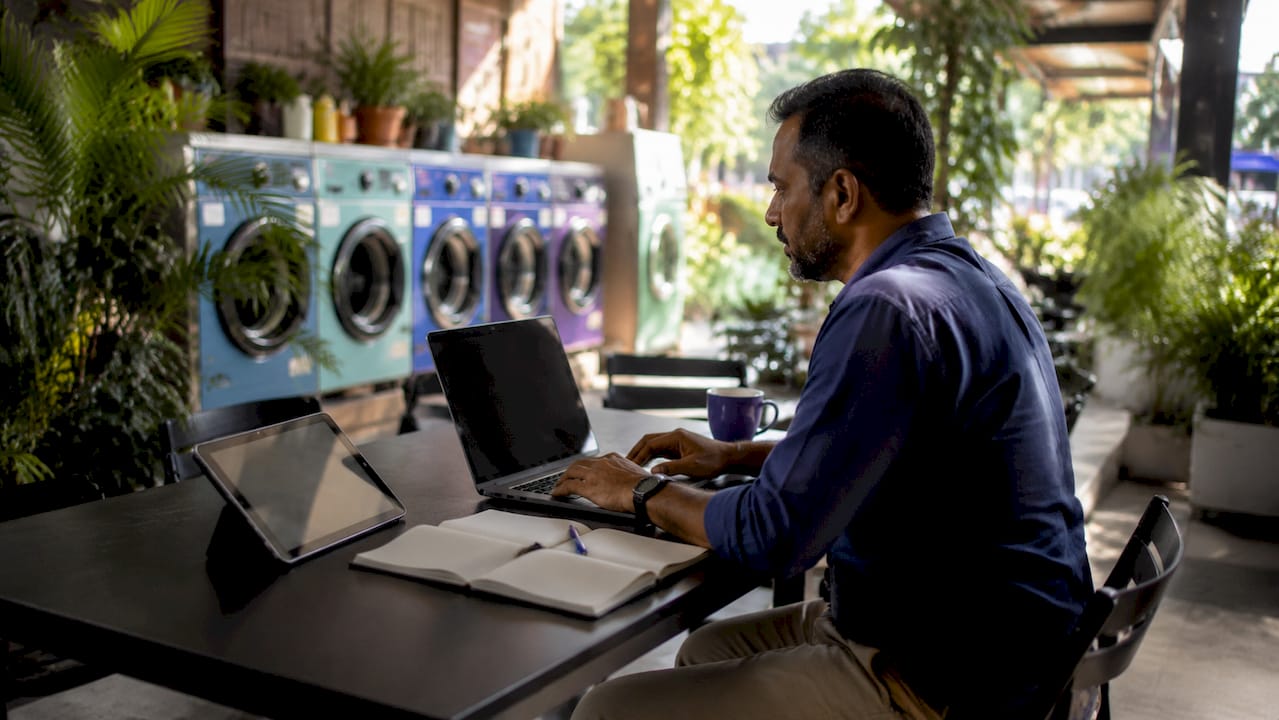
Laundromat multi-device management is the centralized software practice of remotely monitoring, configuring, and updating every unattended device across your locations from a single control point. That means payment kiosks, washers, dryers, and POS terminals all fall under one unified system rather than requiring separate, on-site attention. Platforms like Paygasus, Geelus, AtlasLaundry, and Kansoflow each approach this differently, but the core goal is the same: give owners real-time visibility and control without driving to the store. The result is fewer technician visits, faster issue resolution, and consistent machine uptime across every location you run.
What is laundromat multi-device management and what does it include?
Laundromat multi-device management is the industry practice formally known as remote device fleet management, applied specifically to laundromat hardware and software endpoints. The term covers every tool and process an owner uses to oversee multiple unattended devices without being physically present. Think of it as a control tower for your machines, terminals, and registers.
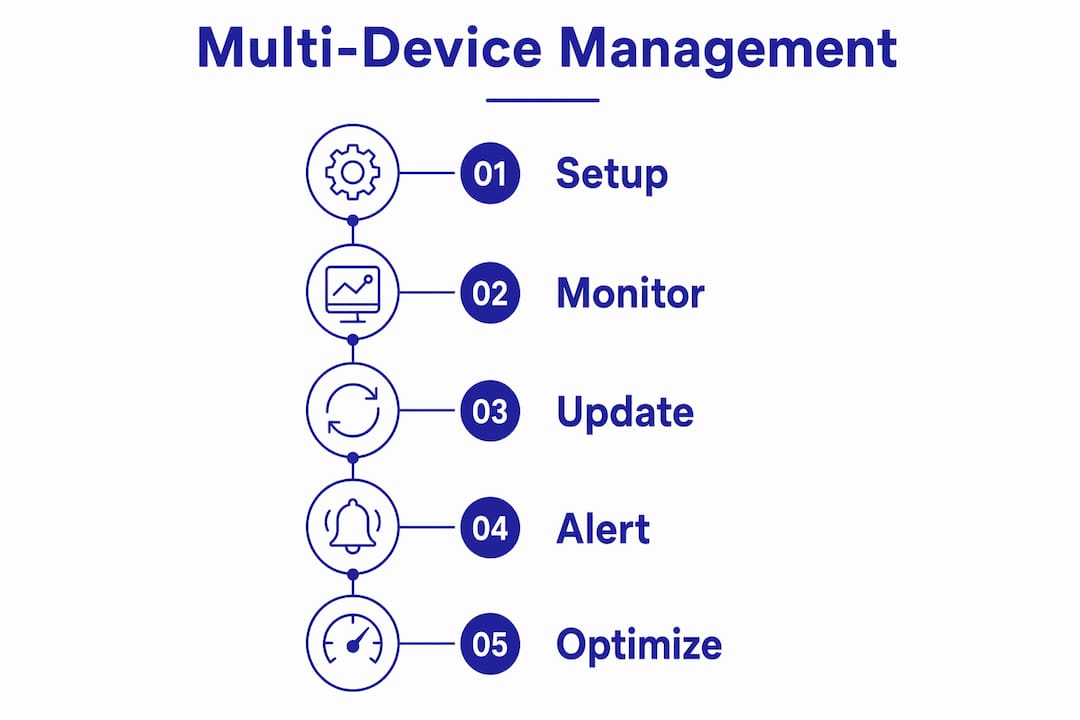
The core functions break down into five categories:
- Real-time device health monitoring. The system tracks connectivity, error states, and performance metrics for each machine or terminal. When a payment kiosk goes offline, you know immediately.
- Over-the-air (OTA) firmware and security updates. OTA firmware updates push software changes to every device in your fleet without a technician on site. This is the single biggest labor-saving feature in the category.
- Remote configuration and control. Owners can adjust pricing, payment settings, and machine parameters from any browser or app. No wrench required.
- Automated alerting and proactive maintenance workflows. The system routes alerts to the right person when a device fails or needs attention, cutting response time significantly.
- Centralized dashboard with device grouping and tagging. Devices are organized by location, type, or status so you can manage a fleet of 50 terminals as easily as managing five.
Pro Tip: Tag your devices by location and machine type in your dashboard from day one. Grouped alerts mean you fix a whole row of washers in one dispatch instead of responding to five separate tickets.
The distinction that most owners miss: multi-device management is about controlling unattended device fleets, not simply giving staff a tablet to check orders. Unattended device oversight requires remote diagnostics and configuration capabilities that go well beyond a basic dashboard view.
How do cloud-based platforms enable management across devices and locations?
Cloud software is the backbone of any effective multi-device control system for laundromats. It removes the constraint of being tied to a single machine or location. You log in from your phone at home, your tablet at a second store, or your laptop anywhere, and you see the same live data.
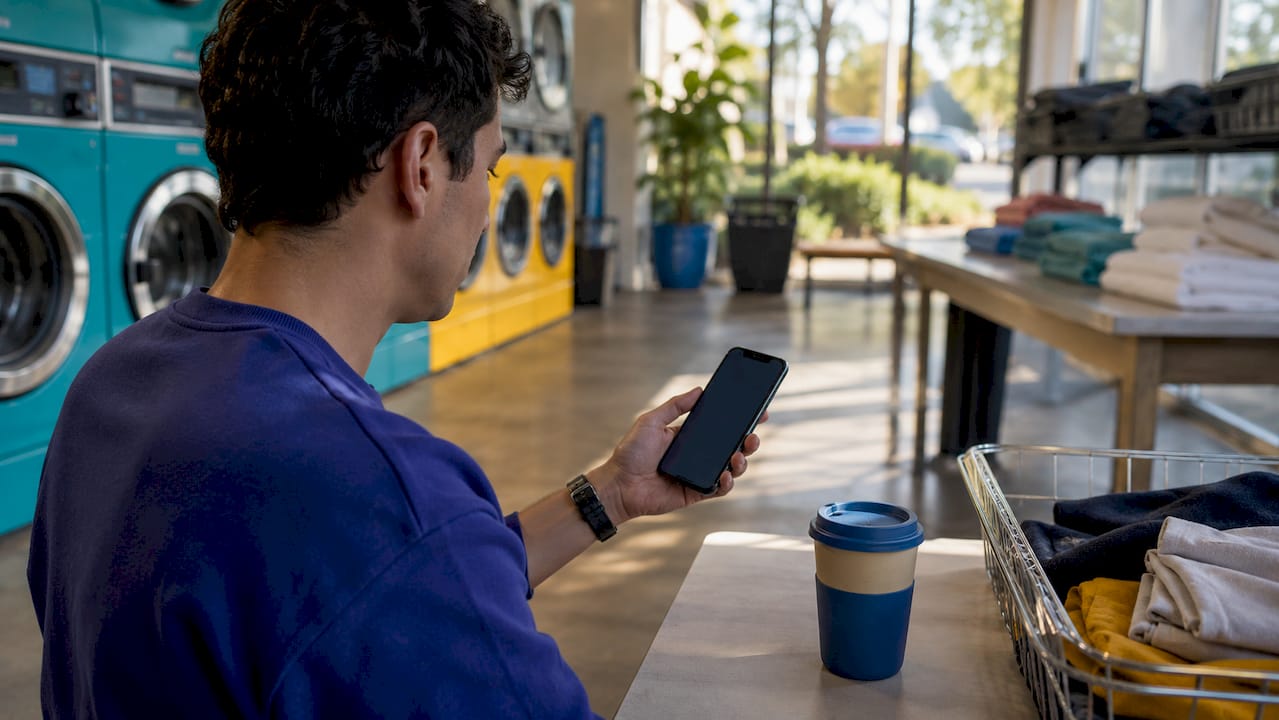
Geelus runs entirely in a browser with no installation required, making it accessible on phones, tablets, and desktops without hardware lock-in. That architecture means a new employee at a second location can be operational in minutes, not days. AtlasLaundry takes a similar approach, offering 24/7 remote machine control and operational analytics across multiple store locations from one login.
The table below shows what cloud-based platforms typically deliver compared to locally installed software:
| Capability | Cloud-based platform | Locally installed software |
|---|---|---|
| Access from any device | Yes | No, tied to one machine |
| Multi-location oversight | Yes, unified dashboard | Requires separate logins per site |
| OTA updates | Automatic, pushed remotely | Manual, requires on-site IT |
| Offline mode | Often supported | Depends on local setup |
| Scalability | Add locations without new hardware | Each location needs new installation |
Geelus also supports multi-store and multi-register capability with flexible price books and customizable workflows. That matters when you run a drop-off location that feeds into a central processing hub. The DANUBE Laundry Kiosk goes a step further by connecting machines via Ethernet and pulse signals through an IoT platform, giving owners remote configuration at the hardware level.
The practical implication: cloud architecture turns a multi-location laundromat from a logistical headache into a manageable operation you can run from anywhere.
What are the real operational advantages of multi-device management?
The most direct benefit is fewer service calls. Automated alert routing and grouped device management speed up issue resolution and cut the number of times a technician needs to physically visit a location. That translates directly to lower labor costs and less machine downtime.
“The value of remote management is fully realized when firmware distribution and configuration changes can be pushed remotely, minimizing downtime and repeat on-site interventions.” — Paygasus
Faster response also improves customer satisfaction. A washer that sends an automated alert at 7 a.m. gets fixed before the afternoon rush. A washer that fails silently stays broken until a customer complains or an employee notices. The difference in uptime between those two scenarios compounds across every machine in your fleet.
AtlasLaundry’s platform demonstrates this well. Its machine health tracking and operational analytics give owners a live view of which machines are underperforming, which locations are busiest, and where pricing adjustments could increase revenue. That kind of data was previously only available to large chain operators with dedicated IT staff.
Pro Tip: Set up price adjustment permissions in your management platform so you can run a weekend promotion across all locations in under two minutes. Manual price changes at each terminal cost you hours and introduce errors.
Standardization is the underrated advantage. When every device runs the same firmware version and the same pricing configuration, you eliminate the inconsistencies that frustrate customers and create accounting headaches. One owner managing three locations with mismatched settings is a common problem. Centralized device management solves it at the source.
Multi-device management vs. traditional laundromat management
Traditional laundromat management means driving to each location to check machines, update pricing manually at each terminal, and waiting for a customer complaint before you know something is broken. That model worked when most owners had one store. It breaks down fast at two locations, and it becomes unworkable at five.
The contrast is stark:
| Factor | Traditional management | Multi-device management |
|---|---|---|
| Issue detection | Customer complaint or on-site visit | Automated real-time alert |
| Firmware updates | Manual, per-device, on-site | OTA push to entire fleet at once |
| Price changes | Physical access to each terminal | Remote update from any device |
| Multi-location oversight | Separate visits per location | Unified dashboard, single login |
| Response time | Hours to days | Minutes |
Without centralized software, owners face fragmented controls, inconsistent machine updates, and delayed issue resolution. Each of those problems has a direct cost. Fragmented controls mean more staff hours. Inconsistent updates mean security vulnerabilities. Delayed resolution means lost revenue from machines sitting idle.
The shift from traditional to centralized management is not just a technology upgrade. It is a change in how you structure your time as an owner. Traditional management ties you to your locations. Multi-device management gives you the option to run operations from anywhere, which is the foundation of any real growth strategy.
Key Takeaways
Laundromat multi-device management requires centralized cloud software, OTA update capability, and automated alerting to reduce on-site visits and maintain consistent uptime across all locations.
| Point | Details |
|---|---|
| Core definition | Multi-device management is remote fleet control of all laundromat devices from one centralized platform. |
| OTA updates are critical | Pushing firmware remotely eliminates the need for on-site technician visits for routine updates. |
| Cloud access enables scale | Browser-based platforms like Geelus let owners manage multiple locations from any device, anywhere. |
| Automated alerts cut downtime | Real-time issue detection means machines get fixed before customers notice a problem. |
| Traditional methods don’t scale | Manual, on-site management becomes unworkable beyond one or two locations without centralized tools. |
What I’ve learned from watching owners adopt this technology
The owners who get the most out of multi-device management are not the most tech-savvy. They are the ones who commit to setting the system up correctly at the start. That means tagging every device, configuring alert recipients, and actually reading the first week of reports before assuming everything is fine.
The common pitfall I see: owners buy a platform, connect their devices, and then ignore the dashboard until something breaks. That defeats the entire purpose. The real value is in the proactive data, not the reactive alerts. When you check your machine health report every monday morning, you spot a washer that is running 15% slower than its baseline before it fails completely. That is the difference between a $200 maintenance fix and a $2,000 emergency repair.
My honest recommendation for owners starting out: pick one location, connect every device to your management platform, and spend 30 days learning what normal looks like. Once you know your baseline, anomalies become obvious. Then you scale the system to your other locations with confidence instead of guesswork.
The future of laundromat operations runs through platforms that unify POS, device management, and customer data in one place. Owners who build that infrastructure now will have a significant operational advantage over those still driving to each store to check on machines.
— Artur
How Kansoflow supports multi-device laundromat operations
Kansoflow is built specifically for laundromat owners who need to manage operations across devices and locations without the friction of legacy systems. Its native iOS platform handles POS, order tracking, and hardware integration in one place, so you are not stitching together three separate tools.
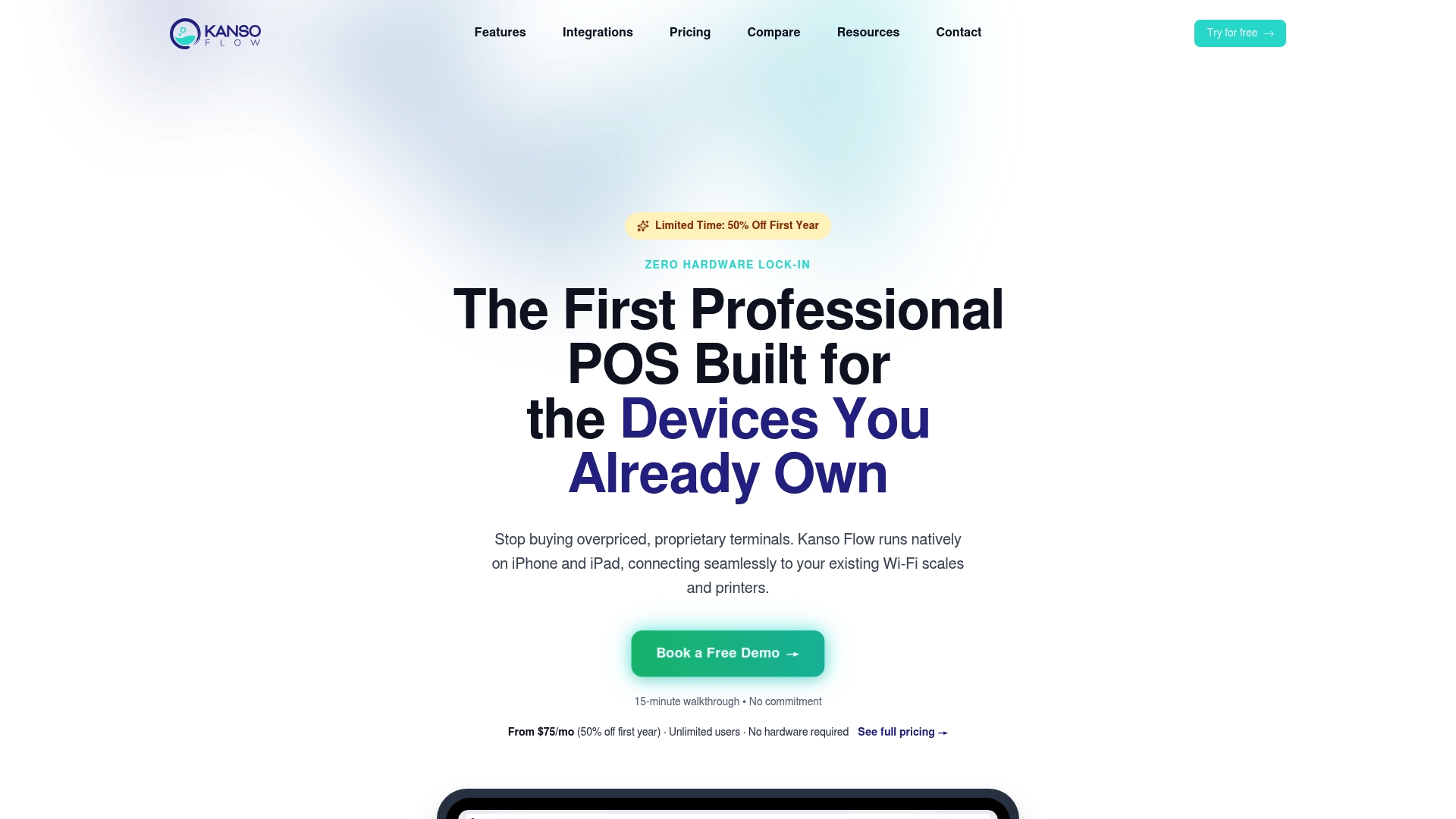
The platform pairs natively with Bluetooth scales and Star Micronics printers, supports Stripe and Square payment integrations, and includes per-device PIN security for fast staff switching on busy shop floors. For multi-location operators, Kansoflow’s enterprise management features cover inter-branch garment transfers and third-party outsourcing workflows. If you are ready to move past paper tickets and fragmented controls, the full platform overview shows exactly how it fits your operation.
FAQ
What is laundromat multi-device management?
Laundromat multi-device management is the centralized practice of remotely monitoring, configuring, and updating all unattended devices across one or more laundromat locations from a single software platform. It covers payment terminals, washers, dryers, and POS systems.
How does OTA firmware updating work in laundromats?
Over-the-air firmware updates push software changes from a central platform directly to each device without requiring a technician on site. Paygasus and similar platforms use this method to keep payment terminals and machine endpoints current and secure.
What is the difference between cloud-based and traditional laundromat management?
Cloud-based management gives owners real-time access from any device, supports multiple locations under one login, and pushes updates remotely. Traditional management requires physical visits to each location for updates, pricing changes, and issue resolution.
Can multi-device management work for a single-location laundromat?
Yes. Even single-location owners benefit from automated alerts, remote price adjustments, and machine health tracking. The return on investment grows with each additional location, but the operational improvements apply at any scale.
What devices are typically managed in a laundromat multi-device system?
Managed devices typically include payment kiosks, card readers, washers and dryers connected via IoT sensors, and POS terminals. Platforms like DANUBE connect machines through Ethernet and pulse signals for full remote configuration.