Laundromat Customer Preference Tracking System Guide
A laundromat customer preference tracking system is a digital framework that captures, stores, and analyzes individual customer behaviors, service choices, and feedback to improve repeat visits and service quality. The industry term for this practice is customer relationship management, or CRM, and it sits at the core of every modern laundry operation that competes on service rather than price alone. Tools like Geelus CRM, the Real Time Feedback platform, and Kansoflow give operators a real advantage by replacing paper notes and guesswork with centralized, actionable data. This guide walks you through the tools, setup steps, and analysis methods that turn raw customer data into a better business.
What tools make up a laundromat customer preference tracking system?
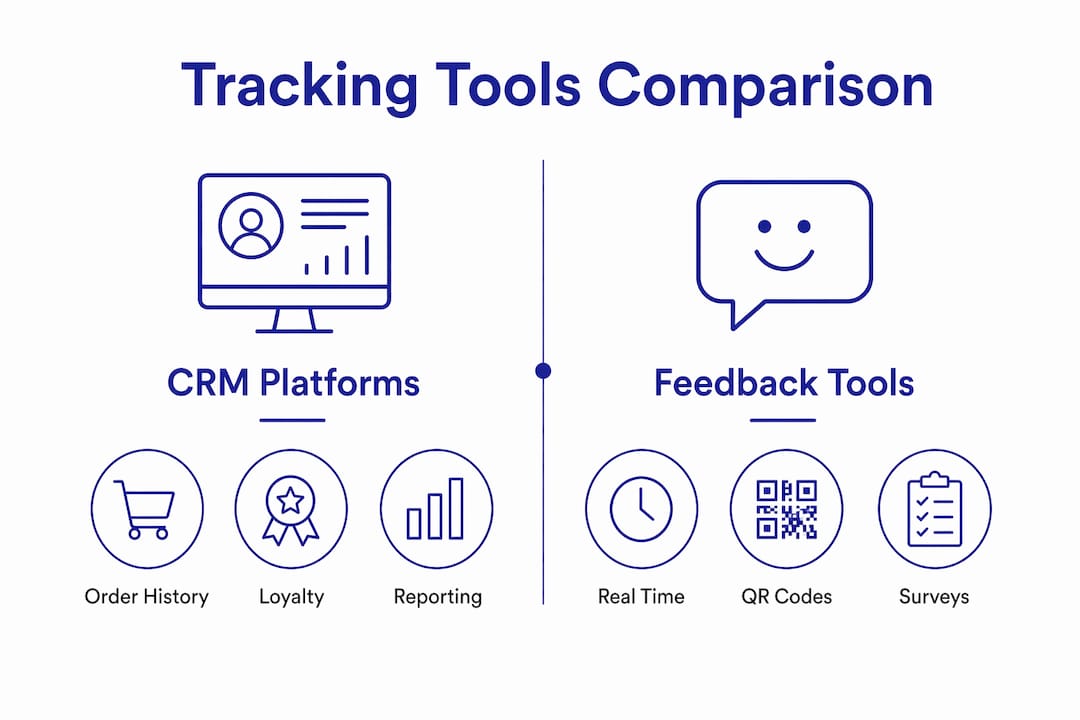
The foundation of any preference tracking setup is a CRM platform built for laundry operations. Geelus CRM automates preference tracking and loyalty rewards, centralizing order history, fold styles, detergent choices, and customer contact data in one place. That centralization means your attendants stop relying on memory and start pulling up verified customer profiles at the counter.
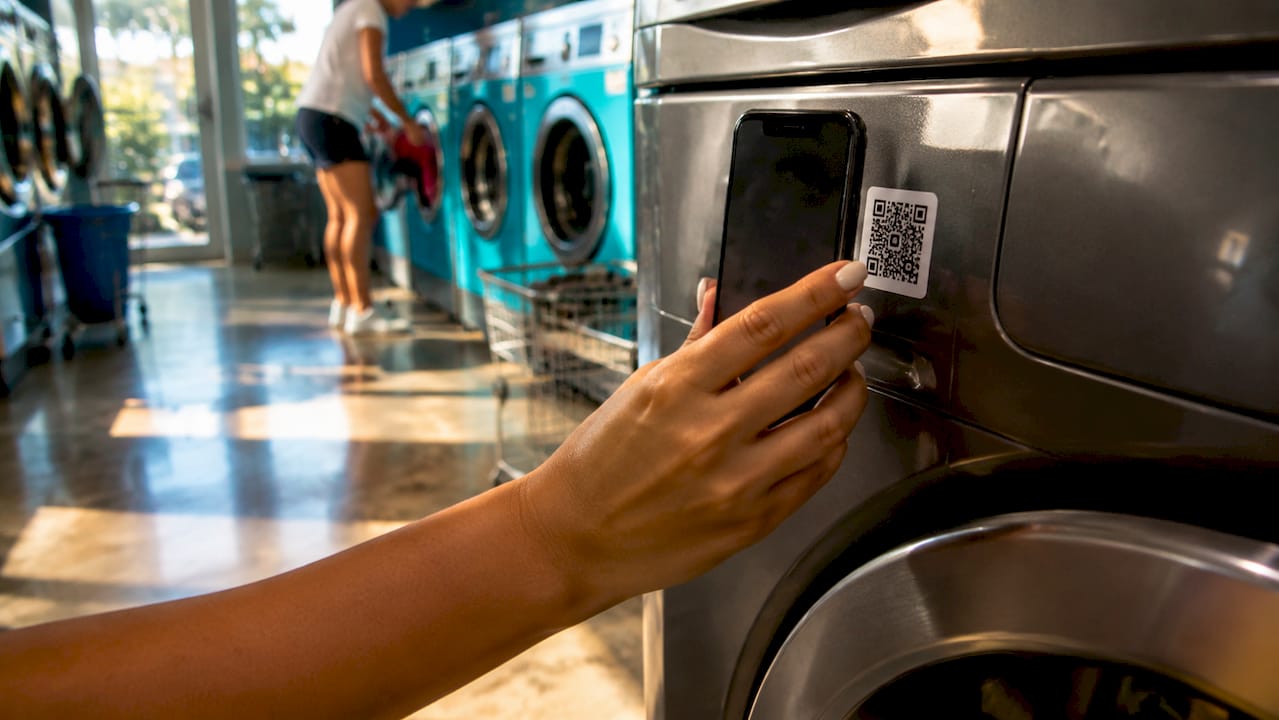
Real-time feedback tools add a second layer. The Real Time Feedback platform uses QR codes placed at machines or the counter to capture customer concerns the moment they occur. Staff can resolve issues privately before a frustrated customer posts a negative review online.
A third layer is omnichannel survey collection. Surveys deployed across mobile apps, email, and social platforms capture a broader picture of customer sentiment than any single channel can. That breadth matters when you are trying to spot trends across a multi-location operation.
Comparison of key tracking tools
| Tool | Core function | Best for |
|---|---|---|
| Geelus CRM | Order history, loyalty automation, reporting | Full CRM and preference storage |
| Real Time Feedback | QR code feedback, keyword alerts | On-site issue capture |
| CustomerGauge | Omnichannel surveys, sentiment analysis | Multi-channel feedback collection |
| Kansoflow | POS, photo intake, order workflow | Counter-speed preference logging |
Pro Tip: Place QR code feedback prompts at the pickup counter, not just at machines. Customers are most willing to give feedback right after they collect clean laundry, when satisfaction is fresh.
How to implement a customer preference tracking system step by step
Setup works best when you treat it as a phased project rather than a single installation day. Each phase builds on the last, and skipping one creates gaps that show up later as missing data or staff confusion.
- Define your data goals. Decide which preferences matter most: detergent type, fold style, water temperature, pickup time, or all of the above. A focused list prevents you from collecting data you never use.
- Choose and configure your CRM. Set up Geelus or a comparable platform with your service menu, customer fields, and loyalty program rules. Connect it to your payment processor so transactions populate customer profiles automatically.
- Integrate your POS with the CRM. Centralizing preferences within the POS order intake eliminates the data silos that form when feedback tools sit outside your operational workflow. Every order entry becomes a preference update.
- Deploy feedback touchpoints. Install QR code stands at machines, the counter, and the pickup area. Link each code to a short, targeted survey. Brief, behavior-triggered feedback prompts consistently outperform long surveys in response rate and data quality.
- Set up loyalty program triggers. Configure your CRM to reward customers automatically based on visit frequency or service type. Automation removes the manual step that most attendants skip during a busy shift.
- Train your staff. Run a 30-minute walkthrough covering how to pull up a customer profile, log a preference update, and respond to a flagged feedback alert. Staff who understand the “why” behind the system use it consistently.
- Set a 30-day review date. Schedule a review before launch so you have a fixed deadline to assess data quality and fix any integration issues.
Pro Tip: Keep your initial feedback survey to three questions or fewer. Response rates drop sharply when customers see more than five fields on a mobile screen.
How to analyze customer data to improve operations and satisfaction
Data collection is only half the job. The other half is reading the reports and making changes that customers actually notice.
Key metrics to monitor
Start with new versus returning customer ratios. Customer behavior reports comparing new and returning visitors reveal whether your retention efforts are working or whether you are constantly replacing churned customers with new ones. A location where returning customers make up less than half of monthly visits has a retention problem, not a marketing problem.
Satisfaction scores tied to specific services tell you where quality breaks down. If your wash-and-fold scores drop every friday evening, that points to a staffing or machine capacity issue at peak hours, not a general service failure.
Turning data into operational changes
| Data signal | Operational response |
|---|---|
| High demand for fragrance-free detergent | Stock and promote fragrance-free options at the counter |
| Repeat complaints about wait time on Saturdays | Add a second attendant or stagger drop-off windows |
| Low loyalty redemption rate | Simplify reward tiers or increase point visibility on receipts |
| Customers requesting specific fold styles | Log fold preferences in CRM at first visit, apply automatically |
Cloud-based CRM platforms give owners remote access to visual calendars, booking data, and reports from any device. That means you can spot a Saturday spike from home and call in extra help before the rush starts.
Automated keyword alerts add a proactive layer. Alerts triggered by words like “broken” or “help” in customer feedback push notifications to staff immediately. The issue gets addressed in minutes rather than surfacing as a one-star review the next morning.
Common challenges when using preference tracking systems
Every operator runs into friction during the first 60 days. Knowing the most common problems in advance cuts resolution time significantly.
- Data silos. When your feedback tool and your POS do not share data, preferences get logged twice or not at all. The fix is to choose platforms that integrate natively or use a middleware connector from day one.
- Low customer participation. Customers ignore long or poorly timed surveys. Short, in-context feedback triggers placed at the moment of service completion consistently produce higher response rates than follow-up emails sent hours later.
- Privacy concerns. Customers want to know their data is stored securely and not shared. Post a one-sentence privacy statement near every QR code prompt. Transparency increases participation.
- Staff disengagement. Attendants who see the system as extra work will skip preference logging during busy periods. Tie a simple metric, like profile completion rate, to your weekly staff check-in so the habit stays visible.
- Technical integration failures. POS and CRM platforms sometimes fail to sync after software updates. Schedule a monthly five-minute test where you create a dummy order and confirm the preference data appears in the CRM.
“The biggest mistake operators make is treating customer feedback as a separate project from daily operations. When preference data lives inside your order workflow, staff use it automatically. When it lives in a separate app, it gets ignored.” — Geelus, laundromat CRM provider
Tracking and privately resolving customer issues before they reach public review platforms protects your reputation and gives you a direct line to the customers most likely to churn.
Key Takeaways
A laundromat customer preference tracking system works best when CRM data, POS order intake, and real-time feedback tools operate as a single connected workflow rather than separate applications.
| Point | Details |
|---|---|
| Centralize preferences in your POS | Log customer preferences at order intake to prevent data silos and improve staff access. |
| Use short, timed feedback prompts | Deploy QR code surveys at pickup to capture high-quality responses when satisfaction is highest. |
| Monitor new vs. returning customer ratios | This ratio reveals whether retention programs are working or need adjustment. |
| Automate loyalty and alerts | Configure CRM triggers so rewards and issue alerts fire without manual staff input. |
| Review data on a fixed schedule | A monthly data review turns collected preferences into concrete service changes. |
What I’ve learned from watching operators adopt these systems
I’ve watched a lot of laundromat owners install a CRM, collect data for 30 days, and then never open the reports again. The system becomes shelf software. The problem is almost never the technology. It’s the absence of a fixed review habit.
The operators who get real results from Voice of Customer analytics treat their weekly data review the same way they treat their weekly cash count. It is non-negotiable, it takes 15 minutes, and it produces a short action list. That discipline is what separates a laundromat with a 70% return customer rate from one stuck at 40%.
The other thing I’d push back on is the idea that you need a perfect system before you start. Start with one feedback question at the pickup counter and one preference field in your POS. Build from there. The operators who wait for a complete setup never launch. The ones who start small and iterate end up with richer data than anyone who planned for six months.
Real-time data also changes how you staff. When you can see that Saturday feedback scores drop after 2 p.m., you stop guessing and start scheduling. That single insight, repeated across a few weeks of data, pays for the software subscription many times over.
— Artur
How Kansoflow supports customer preference tracking
Kansoflow is a native iOS POS and management platform built specifically for laundromat operators who want to move past paper tickets and fragmented tools. Its photo intake feature captures garment details and customer preferences at the counter the moment an order opens, creating a permanent record that eliminates lost-item disputes and preference errors. The visual Kanban board keeps every order visible through Wash, Fold, Dry Cleaning, and Ready stages, so staff always know where a customer’s order stands.
Kansoflow pairs with Stripe and Square for payments and connects natively with Star Micronics printers and Bluetooth scales, so your hardware and software work as one unit. Owners managing multiple locations get real-time operational reports without logging into a browser-based system. Explore the full Kansoflow feature set to see how preference tracking, order management, and reporting work together on a single iOS device.
FAQ
What is a laundromat customer preference tracking system?
A laundromat customer preference tracking system is a digital setup that records each customer’s service choices, feedback, and visit history in a centralized platform. Operators use this data to personalize service, automate loyalty rewards, and improve operations.
How do QR code feedback tools help laundromats?
QR code feedback tools capture customer concerns in real time, allowing staff to resolve issues privately before they become public complaints. Platforms like Real Time Feedback use keyword alerts to notify staff immediately when a problem is reported.
What is the best way to increase customer feedback participation?
Short, behavior-triggered surveys placed at the moment of service completion produce the highest response rates. Keeping surveys to three questions or fewer and positioning them at the pickup counter are the two most effective tactics.
How does CRM integration with POS prevent data silos?
When customer preferences are logged directly inside the POS order workflow, every transaction updates the customer profile automatically. Separating feedback tools from the POS creates gaps where preference data gets lost or never recorded.
Can a small single-location laundromat benefit from preference tracking?
A single-location laundromat benefits immediately from preference tracking because even a small customer base generates enough data to identify service gaps, improve retention, and justify targeted promotions within the first 60 days of use.